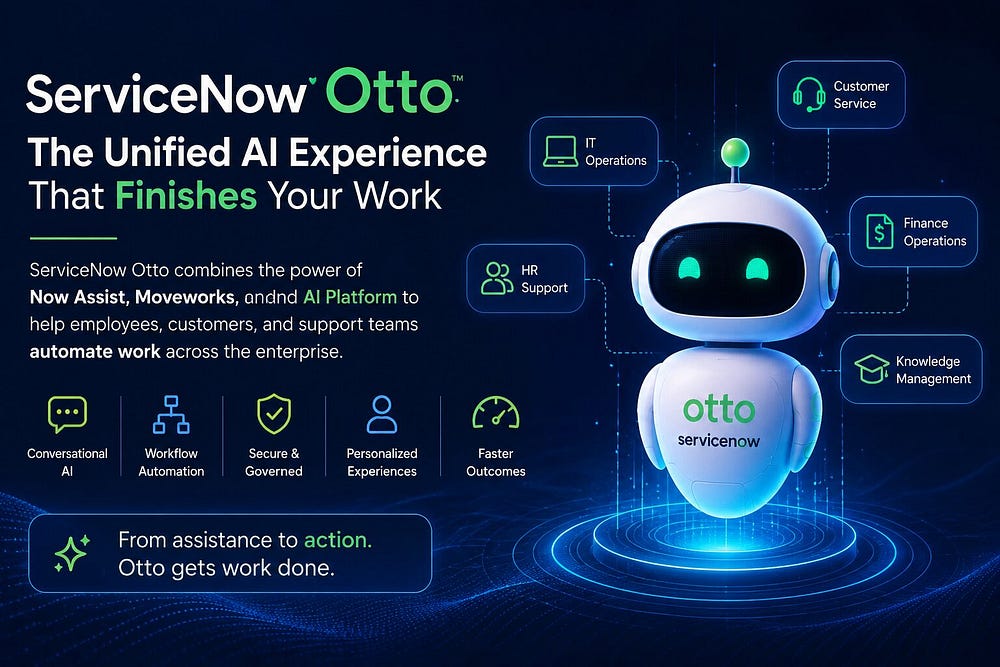
As businesses accelerate digital transformation, IT teams are expected to deliver faster support, improve employee experiences, and reduce operational costs. Traditional service desks often struggle with manual processes, siloed systems, and increasing ticket volumes. This is where ServiceNow IT Service Management (ITSM) becomes a game-changer.
ServiceNow ITSM provides a unified platform for managing incidents, service requests, problems, changes, and knowledge management while leveraging AI-powered automation to improve service delivery. Organizations using modern ITSM platforms can streamline workflows, reduce downtime, and enhance operational efficiency through intelligent automation and self-service capabilities.
For enterprises evaluating the platform, this comprehensive ServiceNow ITSM Guide explains the core features, implementation approach, and business benefits of ServiceNow ITSM in detail. Whether you’re modernizing an existing IT environment or planning a new implementation, it offers practical insights into building scalable IT operations.
Beyond technology, successful ITSM adoption depends on choosing the right implementation strategy. Working with an experienced ServiceNow ITSM Implementation Partner helps organizations configure workflows, automate repetitive tasks, integrate existing systems, and maximize ROI through industry best practices.
Modern ServiceNow ITSM also incorporates AI capabilities such as intelligent ticket routing, virtual agents, predictive analytics, and automated resolutions. These features reduce response times, improve first-contact resolution, and allow IT teams to focus on high-value initiatives instead of repetitive manual work. As enterprises continue embracing AI-driven service management, ServiceNow remains one of the leading enterprise platforms for delivering resilient and employee-centric IT services.
Organizations that invest in ServiceNow ITSM are not simply replacing a help desk — they are creating a future-ready service management ecosystem that supports business growth, operational excellence, and exceptional digital experiences across the enterprise.
.jpg)