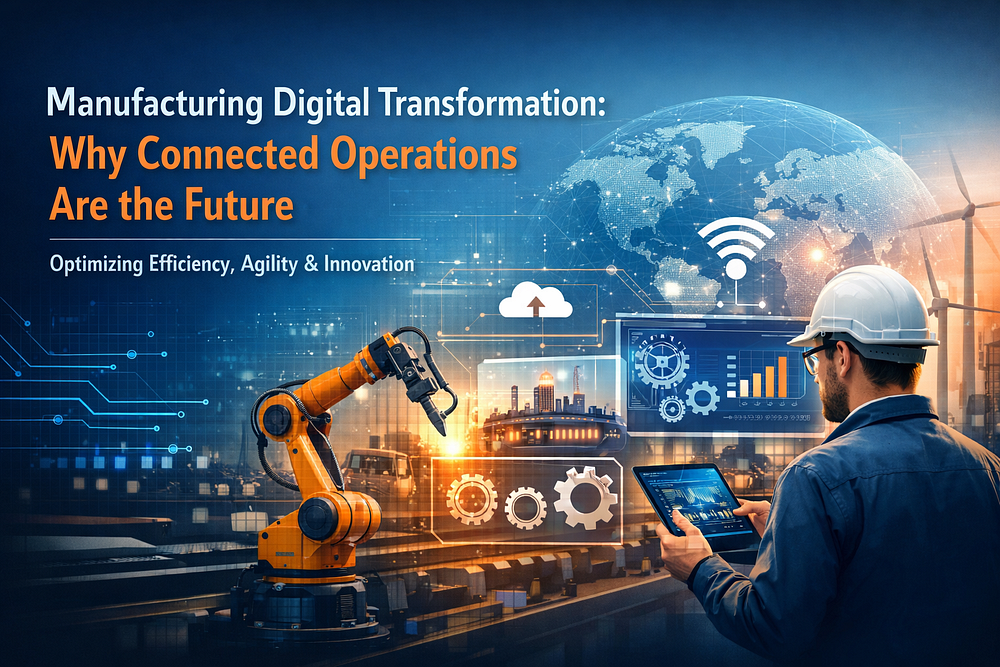
Manufacturing is changing fast. And at the center of that change is one strategic shift that’s separating high-performing factories from the rest - IT/OT convergence.
Here’s the simple truth: most manufacturers are running two completely separate technology environments without even realizing it. Information Technology (IT) handles the business side - ERP systems, cloud platforms, databases, and cybersecurity tools. Operational Technology (OT) controls the factory floor - robots, PLCs, SCADA systems, and industrial sensors. For decades, these two worlds never spoke to each other. Today, that silence is costing manufacturers millions.
What IT/OT Convergence Actually Means
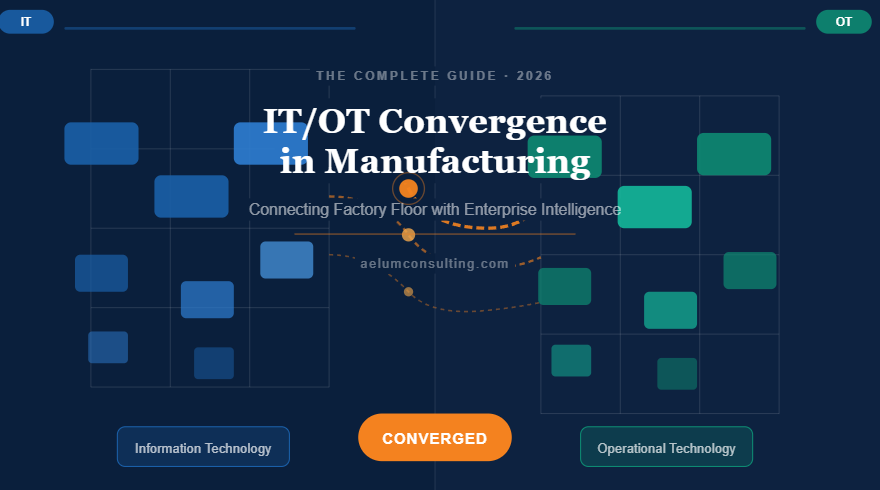
IT/OT convergence is the process of connecting these two environments into a single unified architecture - where machine data from the factory floor flows directly into enterprise systems, and where business intelligence informs production decisions in real time.
The result? A smarter, faster, more resilient operation. What most people now call a smart factory.
Why Manufacturers Can’t Ignore It Anymore
The benefits are measurable and immediate:
Real-time production visibility means plant managers see machine health, throughput, and process conditions as they happen - not hours later. Predictive maintenance means AI-powered systems detect equipment wear before a breakdown occurs, reducing unplanned downtime by up to 30%. Supply chain alignment improves because production data flows directly into planning systems, enabling faster responses to demand changes. And unified cybersecurity means security teams finally have visibility across both enterprise and factory floor assets - no more dangerous blind spots.
The Technologies Behind It
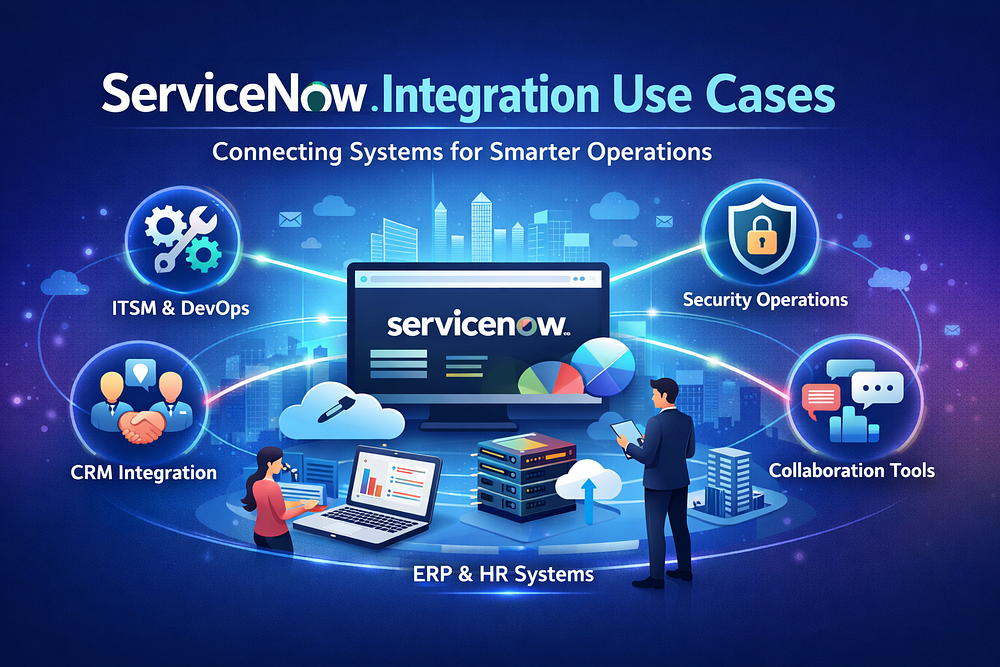
Convergence runs on IIoT sensors that connect previously offline machines, edge computing that processes data locally for faster response, and industrial protocols like OPC-UA that standardize communication across different equipment. Platforms like ServiceNow bring it all together - automatically discovering and mapping IT and OT assets, orchestrating incident response, and enabling predictive analytics that keep production running at peak performance.
The Bottom Line
The manufacturers building this connected foundation today are the ones who will lead tomorrow. They’ll have lower downtime, stronger margins, better security, and the agility to scale operations intelligently.
The ones waiting? They’re already falling behind.
If you’re serious about building a smarter manufacturing operation, the strategy and execution roadmap are all laid out in detail here:
👉 Read the Full Guide: https://aelumconsulting.com/blogs/it-ot-convergence-in-manufacturing/